

Water park and attraction marketing works when it turns seasonal demand into ticket revenue, repeat visits, and measurable attendance growth. The strongest programs combine paid search, paid social, programmatic display, email, creative testing, customer research, and attribution that ties campaigns to actual ticket sales.
For attractions, marketing is a revenue system. It needs to reach families, tourists, groups, season-pass buyers, and lapsed visitors at the right moment, then prove which campaigns drove sales.
Which channels work best for water parks and attractions?
Attractions need a channel mix that can create demand before peak season and convert it when purchase intent is high.
- Paid search and shopping-style ticket campaigns. Search captures people comparing local attractions, water parks, birthday options, and family activities.
- Paid social. Meta, TikTok, and short-form video campaigns create demand with creative that shows the actual guest experience.
- Programmatic display and retargeting. Display keeps the attraction visible after people visit the site, explore offers, or abandon ticket purchase.
- Email and loyalty. Owned channels help sell season passes, renewals, group offers, and lapsed-guest promotions.
- Customer research and geo analysis. Surveys, audience research, and location analysis help identify the best markets, offers, and visitor segments.
How should attractions budget marketing?
Seasonality matters. Water parks and attractions should build awareness before opening or peak season, then shift budget toward conversion campaigns as ticket demand rises. Campaigns should be separated by audience: day tickets, season passes, groups, birthday parties, tourists, and returning guests.
The strongest budgets use attribution to identify which channels drive sales, which markets have the highest lifetime value, and which offers create incremental revenue rather than discounting buyers who would have purchased anyway.
What proof should you expect from an attraction marketing agency?
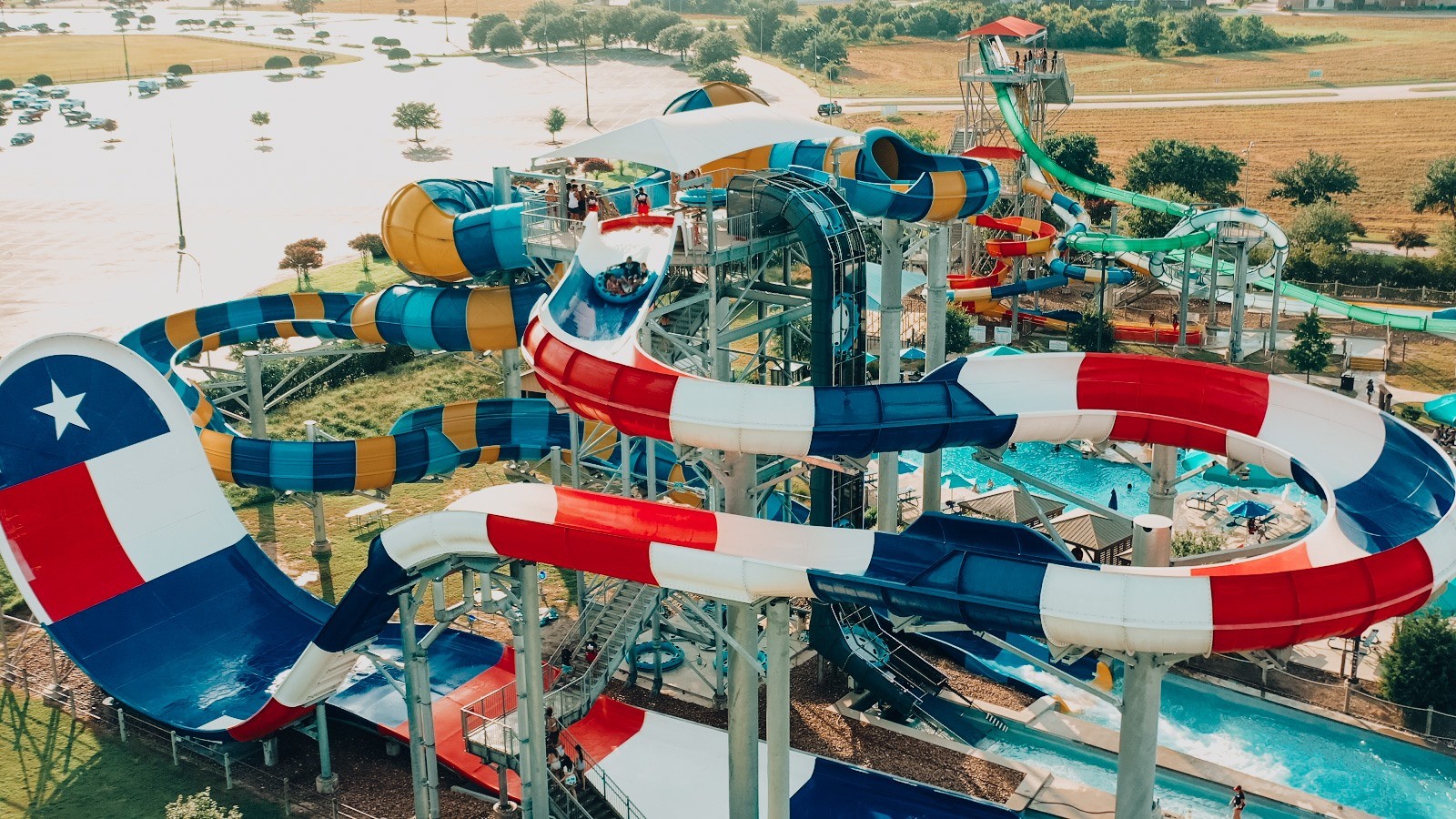
Look for direct ticket and revenue outcomes. Anderson Collaborative helped overhaul Typhoon Texas’ marketing strategy, analytics, media buying, tracking, creative, and customer research. The work contributed to record-breaking sales, including 188M+ total advertising impressions, 10.2X+ return on advertising spend, and $56.2M+ in revenue generated from advertising efforts.
See the full Typhoon Texas water park case study for the campaign and analytics system behind the results.
Frequently asked questions
What is water park and attraction marketing?
Water park and attraction marketing drives ticket sales, attendance, season-pass purchases, group sales, and repeat visits through paid media, local search, creative, email, customer research, and revenue attribution. The goal is to turn seasonal demand into measurable revenue.
What is the best marketing channel for attractions?
Paid social and video are strong for showing the guest experience, while paid search captures people already comparing things to do. Retargeting and email help convert visitors who are deciding when to buy.
How do attractions measure marketing ROI?
Attractions should track revenue, ROAS, ticket sales, cost per purchaser, season-pass sales, repeat visits, and market-level performance. The best setup connects campaigns directly to ticketing data.
When should water parks start advertising?
Water parks should start planning and awareness before peak season, then increase conversion spend around opening dates, school breaks, weekends, and promotional windows. The budget should shift as demand moves from research to purchase.
Ready to grow your attraction or water park?
Anderson Collaborative is an events and attractions marketing agency that helps venues turn demand into measurable ticket revenue. Talk to our team for a free marketing audit.