

How do restaurant and hospitality brands drive more orders?
Restaurant and hospitality marketing works when it turns local attention into orders, reservations, visits, and repeat customers. The strongest programs combine search visibility, location-based paid social, offer testing, first-party customer data, and conversion tracking for online ordering and delivery platforms.
Which channels work best for restaurant and hospitality brands?
Restaurant marketing should match how people decide where to eat, order, and return.
- Local search and maps. Google Business Profile, local SEO, menu accuracy, photos, reviews, and location pages help capture people searching nearby.
- Paid social. Meta, TikTok, Snapchat, and other social platforms are strong for promoting offers, launches, seasonal menus, and location-specific creative. See paid social capabilities for how we structure those campaigns.
- Dynamic location ads. Multi-location restaurants can show customers the nearest location and route them directly to directions or ordering. Hyperlocal advertising narrows reach when a single trade area needs a time-bound offer.
- Email, SMS, and loyalty. Owned channels turn first-time buyers into repeat guests and help reactivate customers who have not ordered recently.
- Online ordering and attribution. Campaigns need to connect spend to takeout, delivery, reservation, or in-store actions, not only impressions. Pair tracking with paid media planning so location budgets stay tied to order volume.
How should a restaurant budget marketing?
Single-location restaurants usually need a tight mix of local SEO, review management, paid social, and owned-channel reactivation. Multi-location brands should budget by market, DMA, or store cluster so each location can receive spend based on demand, customer value, and performance.
The best structure separates awareness, consideration, conversion, and retention. A cold audience offer, a retargeting ad, a loyalty reactivation message, and a new-store campaign should not be measured the same way.
What proof should you expect from a restaurant marketing agency?
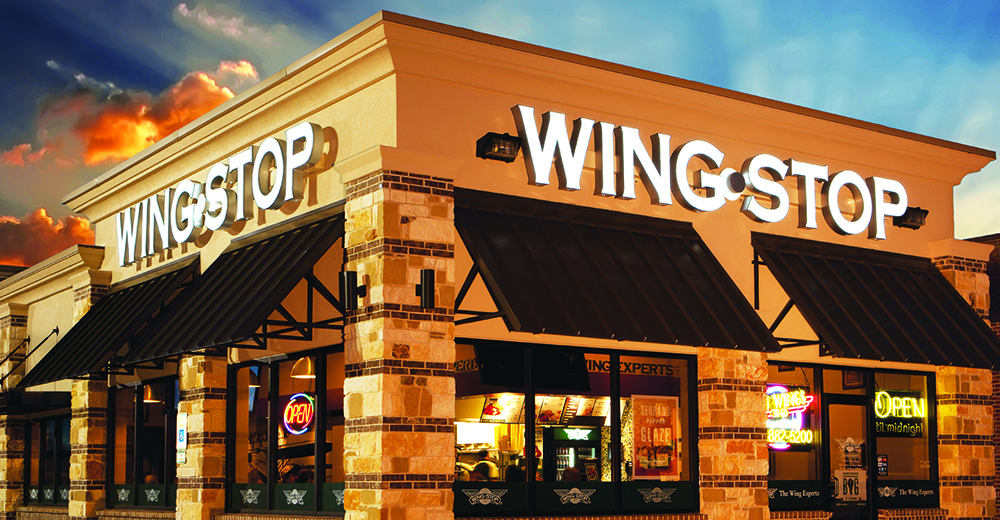
Look for clear revenue and order metrics. Anderson Collaborative overhauled paid social advertising for Wingstop across 50+ DMAs and 1,400+ store locations, using segmented audiences, dynamic location ads, multilingual campaigns, and retargeting. The campaign generated 120K+ takeout and delivery orders, $2.83M+ in revenue from paid social advertising, and 3.5X ROI.
See the full Wingstop restaurant case study for how the campaign structure supported local ordering at scale.
Frequently Asked Questions
What is restaurant marketing?
Restaurant marketing is the strategy and execution used to drive online orders, reservations, foot traffic, repeat guests, and local awareness through search, paid social, owned channels, reviews, creative, and measurement.
What is the best marketing channel for restaurants?
For local demand, search and maps capture people already looking for a place to eat. Paid social is often strongest for offers, retargeting, delivery campaigns, and bringing customers back after a lapse.
How should restaurants measure marketing ROI?
Measure revenue, orders, cost per order, repeat purchase rate, and customer lifetime value. For multi-location brands, compare results by location or market so spend shifts toward the strongest opportunities.
Do restaurants need separate campaigns for each location?
Often, yes. Location-specific audiences, offers, creative, and budget controls help restaurants avoid over-serving broad audiences while under-serving high-potential markets.
Ready to grow your restaurant or hospitality brand?
Anderson Collaborative is a restaurant and hospitality marketing agency that helps brands drive online orders, local visits, and repeat customers with measurable media systems. Talk to our team for a free marketing audit.